Why Anchors Delta Are a Reliable Option for Secure Boat Anchoring
When you're out on the water, confidence comes from knowing your boat will stay exactly where you leave it. That's why selecting the right anchor is just as important as choosing a dependable engine or navigation system. For many experienced boaters, Anchors Delta have become a preferred option because they combine strength, quick setting, and dependable performance in a variety of marine environments.
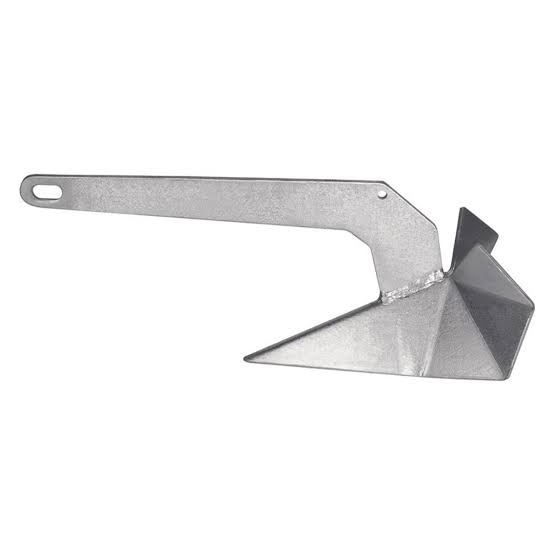
Designed with a fixed-shank plow shape and a weighted tip, Delta anchors are built to penetrate the seabed efficiently and maintain a firm grip, making them a popular primary anchor for cruising boats and recreational vessels.
Unlike some older plow-style anchors that use a hinged shank, Delta anchors feature a one-piece construction. This simple design reduces moving parts, making the anchor stronger, easier to maintain, and more reliable over years of regular use. The fixed shank also helps the anchor set faster after reaching the seabed.
Because of this dependable design, many modern production boats are equipped with Delta anchors as standard equipment.
Suitable for Different Bottom Conditions
One reason many boat owners choose Anchors Delta is their ability to perform well across multiple seabed types. Instead of being limited to one specific surface, they provide reliable holding power in several common anchoring environments.
They work particularly well in:
- Sand
- Mud
- Gravel
- Clay
- Firm seabeds
Although no anchor performs perfectly everywhere, Delta anchors are considered one of the best all-around choices for everyday boating. They may be less effective in heavy weeds or large rocky areas, where other specialized anchor designs can perform better.
Fast Setting Means Greater Safety
One of the biggest advantages of a Delta anchor is how quickly it digs into the bottom. The weighted tip naturally points downward during deployment, allowing the anchor to bury itself with minimal dragging.
A faster setting anchor reduces the chance of drifting while anchoring and gives boaters greater peace of mind, especially when stopping in unfamiliar locations or changing weather conditions.
Choosing the Right Anchor for Your Boat
Every vessel has different anchoring requirements. Before selecting an anchor, consider factors such as:
- Overall boat length
- Loaded weight
- Typical cruising locations
- Water depth
- Wind and current conditions
Using an appropriately sized anchor improves holding performance and helps protect both your boat and nearby vessels.
Simple Habits That Improve Anchoring
Good equipment works best when paired with proper technique. To achieve the strongest hold:
- Lower the anchor carefully instead of dropping it.
- Use sufficient rope or chain for the water depth.
- Allow the boat to move back slowly while the anchor sets.
- Test the holding power before turning off the engine.
- Inspect your anchoring equipment after each trip.
These simple practices help prevent dragging and extend the lifespan of your equipment.
Maintenance Tips
Even durable anchors require routine care. After boating, wash away salt and dirt with fresh water and inspect the anchor for signs of rust, damage, or excessive wear. Pay attention to the chain, shackles, and rope as well, since every part of the anchoring system contributes to overall safety.
Regular maintenance ensures your anchor remains ready whenever your next adventure begins.
Final Thoughts
For boaters looking for an anchor that offers dependable holding power, quick deployment, and long-term durability, Anchors Delta are an excellent choice. Their one-piece construction, versatile performance, and ability to set quickly have made them one of the most trusted anchor styles for recreational boating.
Whether you're enjoying a day of fishing, exploring coastal waters, or planning an overnight stop, a properly selected Delta anchor can provide the stability and confidence needed for a safe and enjoyable experience.