Understanding GPR Surveys and Their Importance
Ground Penetrating Radar (GPR) surveys have grown in significance across various sectors, particularly in construction, environmental studies, and utilities management. As a non-invasive method, GPR technology allows for the detailed investigation of subsurface structures without the need for excavation. This capability makes it a vital tool for site analysis in Surrey, where the complexity of underground utilities can often pose challenges. When exploring options, GPR Survey Surrey provides comprehensive insights into how these surveys can be tailored to meet specific project needs.
What is Ground Penetrating Radar?
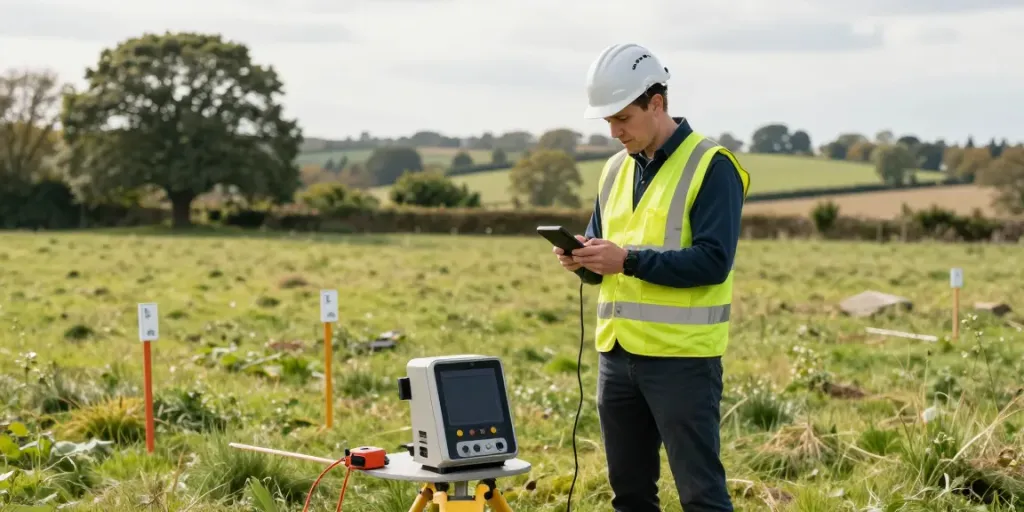
Ground Penetrating Radar (GPR) is a geophysical method that employs radar pulses to image the subsurface. Essentially, it involves sending electromagnetic waves into the ground, which reflect off various layers and materials beneath the surface. The time it takes for the echoes to return is recorded, allowing specialists to create detailed images of the subsurface structures. This technology is pivotal for locating buried objects, voids, and other anomalies that may not be visible or accessible through traditional surveying methods.
Benefits of GPR Surveys in Surrey
- Non-invasive Technique: GPR surveys do not require digging or excavation, which means less disruption to the site and its surroundings.
- Speed: GPR can cover large areas quickly, providing rapid results that enable faster decision-making.
- Precision: The technology allows for high-resolution imaging, which leads to more accurate mapping of underground utilities and structures.
- Versatility: GPR can be used in various environments, including urban areas, construction sites, and even in geological studies.
Common Applications of GPR Technology
GPR technology has diverse applications that extend beyond basic utility mapping. These applications include:
- Utility Location: Identifying and mapping underground utilities such as water, gas, and electricity lines.
- Archaeological Investigations: Locating and preserving archaeological sites without disturbing the ground.
- Environmental Studies: Assessing contamination and other environmental concerns beneath the surface.
- Geological Mapping: Understanding geological formations and detecting changes in subsurface materials.
Evaluating GPR Service Providers
Choosing the right GPR surveyor is crucial for achieving accurate and reliable results. With numerous providers offering similar services, it is essential to know what to look for to ensure that you partner with a qualified professional.
What to Look for in a GPR Surveyor?
When assessing potential GPR survey providers, consider the following factors:
- Experience: Look for surveyors with a proven track record in GPR surveying, especially in projects similar to yours.
- Certification: Ensure that the surveyors possess relevant certifications and training to perform GPR surveys effectively and safely.
- Technology: Evaluate the equipment and techniques used by the provider to guarantee they are using modern, reliable technology.
- Client Reviews: Check testimonials and reviews from previous clients to gauge the provider's reliability and quality of service.
Evaluating Credentials and Experience
Credentials such as formal education in geology, geophysics, or a related field can enhance a surveyor's expertise. Additionally, look for industry memberships or affiliations with professional organisations that signal a commitment to maintaining high standards. Experience is equally important; surveyors who have worked on a variety of projects will be better equipped to handle unexpected challenges that may arise during your survey.
Understanding Pricing and Services Offered
GPR survey costs can vary widely based on location, complexity, and the time required to complete the survey. It is advisable to obtain multiple quotes and ask detailed questions regarding the scope of services offered for each price. This transparency will help in making a cost-effective yet informed decision.
Best Practices for GPR Surveys
To maximise the effectiveness of your GPR survey, adhering to best practices is essential. Proper preparation and communication with surveyors can significantly enhance the overall outcome.
Preparing Your Site for A GPR Survey
Prior to the survey, ensure the site is clear of obstructions. This includes removing debris and any surface materials that may interfere with the GPR equipment's operation. It may also be useful to mark known utilities and structures to aid the surveyor in interpreting the results accurately.
How to Interact with Surveyors
Effective communication with your surveyor can enhance the survey experience. Discuss your specific concerns and what you hope to achieve with the GPR survey. This dialogue can lead to tailored solutions that align more closely with your project goals.
Interpreting GPR Data Effectively
Understanding GPR data requires expertise. The raw data typically comes in the form of images that represent subsurface features. Engaging a skilled geophysicist to interpret these results can help ensure that the findings are accurate and actionable for your project's needs.
Addressing Challenges in GPR Surveys
While GPR technology is powerful, it is not without its challenges. Various misconceptions and environmental factors can affect the integrity of the results.
Common Misconceptions about GPR Capabilities
One common misconception is that GPR can detect all types of materials, regardless of depth. In reality, the ability of GPR to detect objects is influenced by their size, material composition, and the surrounding soil conditions. Understanding these limitations is vital when planning a survey.
Environmental Factors Affecting Results
Several environmental factors can impact GPR survey results, including soil moisture content, temperature, and soil type. For example, highly conductive soils (like clay) can absorb radar waves, making it difficult to obtain clear data. Being aware of these factors can aid in adjusting expectations and planning accordingly.
Dealing with Limitations of GPR Technology
While GPR is a highly effective tool, it does have limitations. For instance, it can struggle to provide clear results in very rocky or heavily reinforced concrete environments. Surveyors may need to complement GPR data with other methods, such as electromagnetic induction, for a more comprehensive understanding of the subsurface.
Future Trends in GPR Technology and Surveys
As technology evolves, so does GPR. Staying informed about the latest trends can help practitioners remain competitive and efficient in their surveying approaches.
Emerging Technologies in Geophysical Surveying
Innovations in GPR technology, such as enhanced software for data analysis and multi-channel GPR systems, are becoming increasingly common. These advancements allow for richer datasets and improved interpretations, providing better value for clients.
Predicted Developments for GPR in 2026
The future of GPR surveys appears promising, with developments anticipated in automated data collection and artificial intelligence-driven analytics. Such innovations can enhance precision and reduce human error in interpretation.
Impact of Innovations on Surveying Practices
With the integration of new technologies, GPR survey processes are set to become more streamlined and efficient. Surveyors who adopt these innovations can offer quicker turnaround times and more detailed reports, boosting client satisfaction and project outcomes.
What Should You Expect After Your Survey?
Post-survey, clients can expect a comprehensive report detailing the findings of the GPR survey. This document should include visual data, textual analysis, and recommendations based on the results. It is essential to review this report with your surveyor to ensure that all information is understood and actionable.
How Can GPR Help in Future Projects?
Incorporating GPR in initial planning stages for future projects can lead to better design decisions and risk mitigation. By understanding the subsurface before construction begins, stakeholders can avoid costly delays and ensure compliance with safety regulations.